The layout of the padel court includes a net in the middle, similar to tennis, but the key difference lies in the surrounding walls that are used for playing off of. This unique feature adds an extra element of strategy to the game, allowing players to bounce the ball off the walls to outsmart their opponents. In contrast, pickleball courts have a simple layout with a net in the middle and no surrounding walls, making it more about precise shots and precise placement on the court.
Both padel and pickleball courts have specific boundaries and rules that players must follow during gameplay. Understanding the differences in court size and layout between the two sports can help players adapt their strategies and techniques accordingly. Whether you prefer the strategic use of walls in padel or the precision required in pickleball, both sports offer a unique and exciting experience for players of all skill levels.
Equipment and Gear Needed
When it comes to playing padel and pickleball, having the right equipment and gear can make all the difference in your game. Let's break down what you'll need before hitting the court for either of these fun and fast-paced sports.
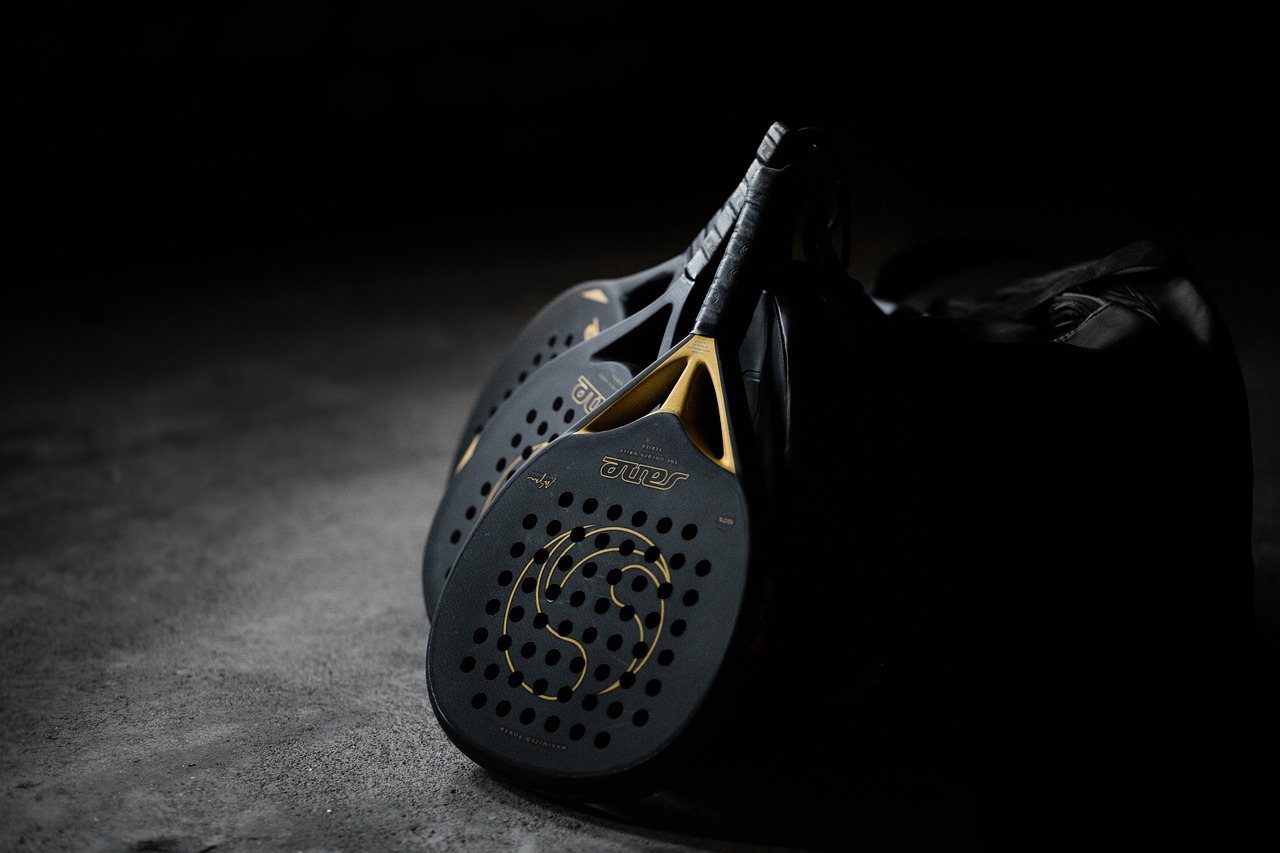
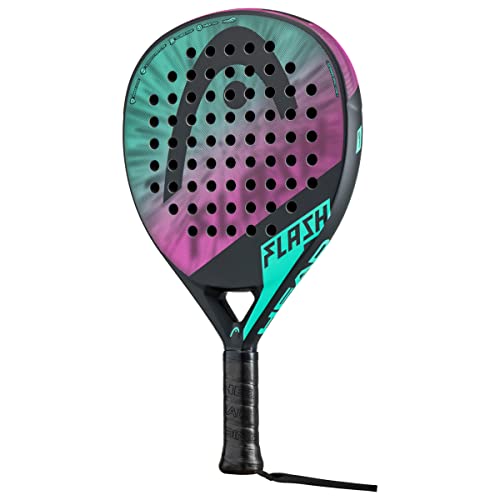
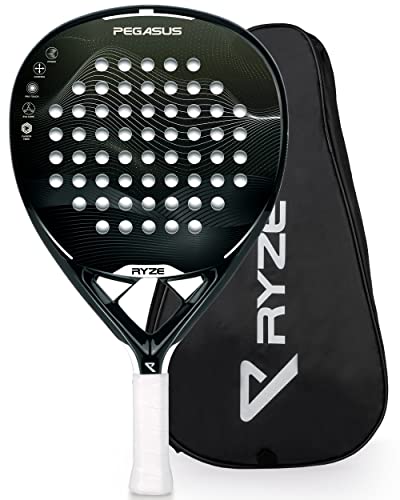
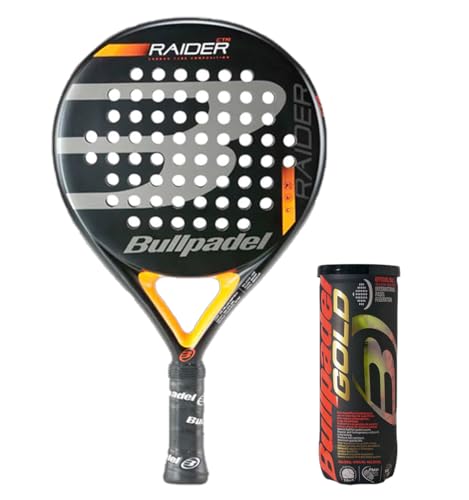
For padel, you'll need a padel racket, which is similar to a tennis racket but has small holes in the hitting surface. Padel balls are also unique, as they are a bit heavier and have less bounce than tennis balls. A good pair of padel shoes with a non-marking sole is essential for quick movement on the court.
On the other hand, pickleball requires a solid paddle, which is smaller than a tennis racket and larger than a table tennis paddle. Pickleballs are similar to wiffle balls but slightly heavier. Comfortable court shoes with good grip are important for quick lateral movements and stability during gameplay.
Regardless of whether you choose to play padel or pickleball, having the right equipment and gear will enhance your playing experience and help you perform your best on the court. Make sure to invest in high-quality equipment that meets the specific requirements of each sport to fully enjoy the game and improve your skills.
Gameplay and Scoring Rules
In terms of gameplay, padel and pickleball have some key differences that set them apart. Padel is played on a smaller court enclosed by walls, similar to a tennis court but with glass walls around the perimeter. On the other hand, pickleball is played on a smaller court with a net, much like a tennis court but with a lower net and different lines.
One of the main differences between padel and pickleball is the scoring system. In padel, the scoring is similar to tennis, with games consisting of sets and matches. Players can only score points when they are serving, and a game is won by a margin of two points. In contrast, pickleball uses a rally scoring system, where points can be won by the serving or receiving team. The first team to reach 11 points with a two-point lead wins the game.
Another key difference between padel and pickleball is the use of equipment. Padel is played with a solid paddle and a tennis ball, while pickleball uses a paddle similar to a table tennis paddle and a plastic ball with holes. The different equipment used in each sport can impact the speed and trajectory of the ball, requiring players to adjust their strategies accordingly.
Overall, padel and pickleball offer unique gameplay experiences for players of all skill levels. Whether you prefer the fast-paced action of padel or the strategic gameplay of pickleball, both sports provide a fun and exciting way to stay active and competitive.
Health Benefits and Community Engagement
Engaging in physical activity is essential for maintaining good health and overall well-being. Padel and pickleball are two popular racket sports that offer a fun and effective way to stay active. These sports provide a range of health benefits, such as improved cardiovascular fitness, increased muscle strength, and enhanced coordination and agility. By regularly playing padel or pickleball, individuals can lower their risk of chronic diseases, such as heart disease and diabetes, and improve their mental health.
In addition to the numerous health benefits, padel and pickleball also offer opportunities for community engagement. These sports are often played in doubles or mixed doubles format, promoting social interaction and teamwork among players. Whether you are playing with friends, family, or new acquaintances, padel and pickleball encourage camaraderie and sportsmanship. Many communities have dedicated courts for these sports, making it easy for enthusiasts to come together and enjoy friendly competition while fostering a sense of belonging and unity.
Overall, padel and pickleball are not just about hitting a ball with a racket – they are about promoting a healthy lifestyle and building connections within the community. So, whether you are looking to improve your physical fitness or simply want to have fun and connect with others, consider trying out padel or pickleball. You might be surprised by the positive impact these sports can have on your health and social well-being.