

The game is usually played in doubles, with four players on the court. The objective is simple: hit the ball over the net and try to make it bounce in the opposing team's court. What's unique about padel tennis is that players can use the walls to their advantage. This means that after the ball crosses the net, it can bounce off the side walls, giving players more ways to strategize and enhance their game. This aspect makes mastering how to play padel tennis both challenging and fun!
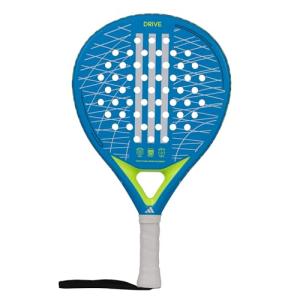
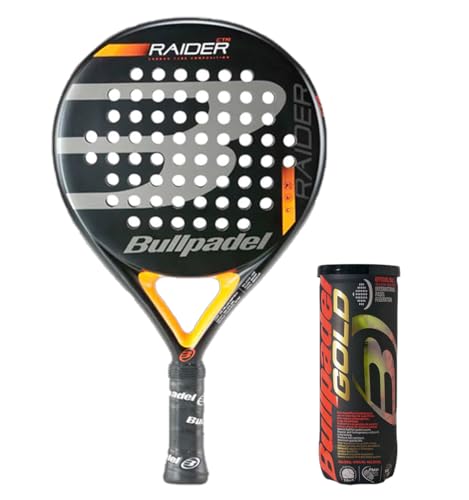
Another key feature of padel tennis is the equipment. Players use solid rackets without strings, which are designed to provide better control and power. The balls are similar to tennis balls but slightly less pressurized. The court is smaller than a traditional tennis court, measuring 20 meters long and 10 meters wide, surrounded by glass walls, adding to the game's dynamic nature. Understanding these components will help you get more comfortable with how to play padel tennis.
As you dive into padel tennis, it's important to focus on your positioning and teamwork. Good communication with your partner is essential to effectively cover the court and respond to your opponents' shots. Practicing your serves and volleying techniques will also enhance your overall performance. Remember, the more you play, the better you'll understand the game and develop your skills on how to play padel tennis.
Essential Techniques for Quick Improvement
When learning how to play padel tennis, mastering essential techniques can make a significant difference in your performance. One of the first things to focus on is your grip. A proper grip allows for better control and power while hitting the ball. The most common grip used in padel is the semi-western grip, which helps generate topspin and enhances your ability to return shots. Take time to practice this grip with both forehand and backhand strokes.
Another crucial aspect is footwork. Quick and effective footwork is vital for reaching the ball and positioning yourself correctly. Make sure to practice lateral movements and incorporate small, quick steps to improve your agility on the court. When playing padel, you will often find yourself in tight positions, so being able to move fluidly will help you stay in the game and respond efficiently to your opponent's shots.
Don't forget about your serve and return strategy. Developing a strong serve can give you a significant advantage at the start of the point. Work on different types of serves, such as flat or slice serves, to keep your opponents guessing. On the other hand, practice your returns to anticipate different types of serves from your opponent. The ability to read your opponent's serve helps you position yourself appropriately and increases your chances of making a successful return.
Finally, communication with your partner is key when playing doubles in padel tennis. Make sure to establish signals for when to cover the net or switch positions. Clear communication can lead to better teamwork and more successful plays. Discuss your strategies and strengths with your partner, so you can both play to your best abilities while outsmarting your opponents.
Key Strategies for Winning Matches
To excel at padel tennis, understanding key strategies is vital. These strategies not only enhance your gameplay but also boost your confidence on the court. One of the first steps in learning how to play padel tennis effectively is mastering your positioning. Always aim to maintain a balanced stance, with your feet shoulder-width apart and knees slightly bent. This allows for quick movements and better responses to your opponent's shots.
Another essential strategy is communication with your partner. Padel is a doubles game, and working well together can create scoring opportunities. Make sure to call out plays and give clear instructions, especially when it comes to taking shots. Effective communication helps avoid confusion and leads to a more cohesive team on the court.
Playing with consistency and patience is also crucial. Instead of going for risky shots, focus on placing the ball in areas that put pressure on your opponents. This approach not only increases your chances of winning points but also helps you learn how to play padel tennis more methodically. Remember, sometimes the best shot is a well-placed lob or a simple cross-court return that keeps the rally alive.
Lastly, don't underestimate the power of practice. Regularly refining your skills and experimenting with different techniques can significantly improve your performance. Whether it’s practicing serves, volleys, or even your footwork, setting aside time to train will pay off when it counts during a match. As you become more familiar with various tactics, you'll find that your understanding of how to play padel tennis will deepen, leading to better results on the court.
Common Mistakes and How to Avoid Them
When learning how to play padel tennis, it's easy to pick up bad habits that can hinder your progress. One common mistake is neglecting proper footwork. Many beginners tend to stand still, making it difficult to reach the ball effectively. To avoid this, focus on staying light on your feet and always be ready to move. Practicing lateral movements and quick sprints can help you become more agile on the court.
Another pitfall many players encounter is over-relying on power instead of technique. It's tempting to hit the ball as hard as you can, but this often leads to uncontrolled shots. Instead, concentrate on your swing mechanics and aim for precision. Start with gentle strokes to develop your control, and gradually increase your power as you gain confidence in your abilities.
A third mistake is failing to communicate effectively with your partner. In doubles padel, coordination is key to success. Many players forget to call for the ball or signal their intentions. To improve your teamwork, establish clear signals and consistently talk to your partner during rallies. This will help you anticipate each other’s moves and create a more cohesive game plan.
Lastly, many newcomers underestimate the importance of regular practice. Some players might think that attending a few lessons is enough to master how to play padel tennis, but consistent practice is essential. Set aside time each week to work on different skills, whether it's serving, volleys, or game strategy. The more you practice, the better you'll become, and your confidence on the court will soar.