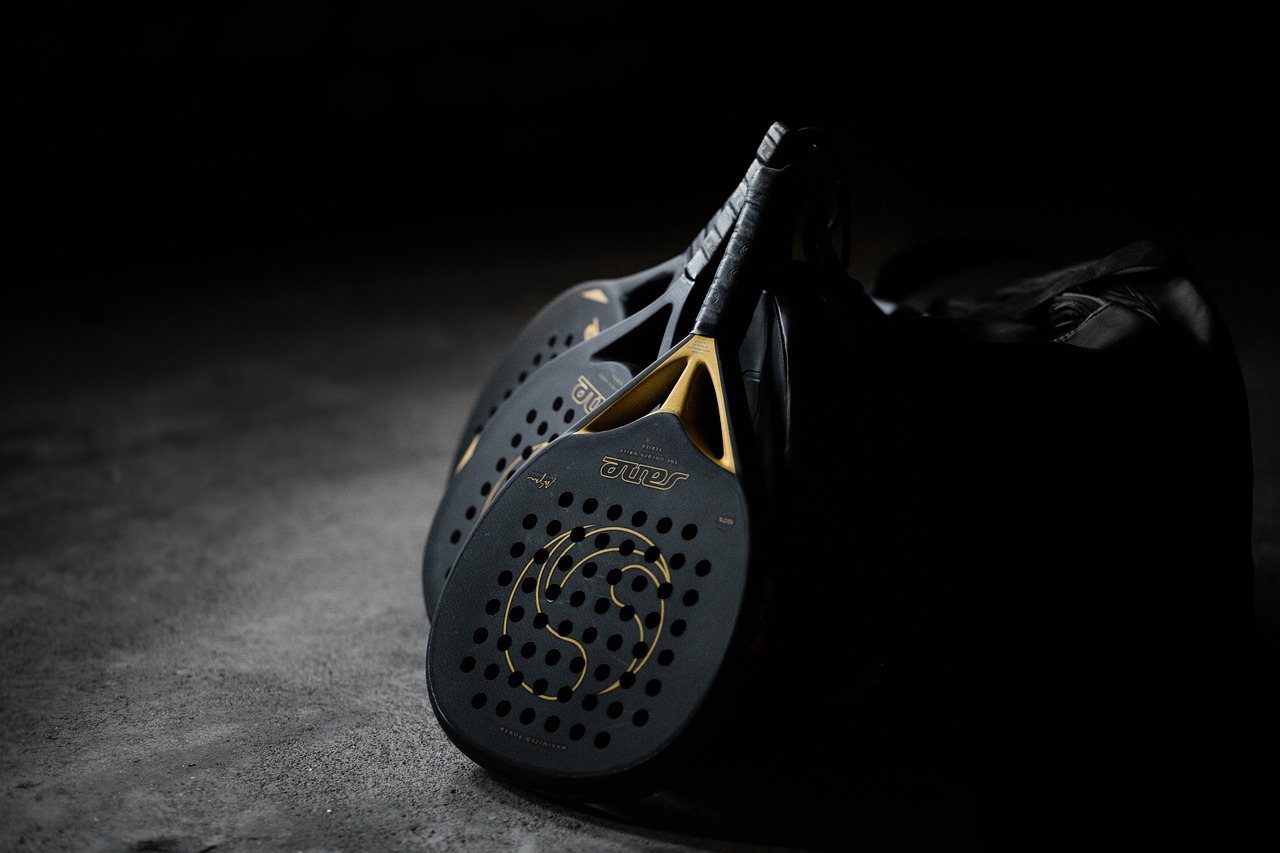
Paddle tennis is a fun and engaging sport that offers a wide range of benefits for players of all ages and skill levels. One of the main advantages of paddle tennis is its accessibility - it can be played on a variety of surfaces including tennis courts, making it easy to find a court nearby. Additionally, paddle tennis is a great way to stay active and improve your physical fitness. The fast-paced nature of the game provides a great cardiovascular workout while also helping to improve agility, coordination, and strength.
Another key benefit of paddle tennis is its social aspect. Playing doubles matches with friends or family members can be a great way to bond and have fun together. The smaller court size and slower ball speed also make paddle tennis a more beginner-friendly alternative to traditional tennis, making it easier for newcomers to learn the game and improve their skills. Furthermore, paddle tennis is a great way to improve your mental focus and strategic thinking, as players must anticipate their opponent's moves and plan their shots accordingly.
Overall, paddle tennis offers a unique and enjoyable playing experience that can have numerous physical and mental benefits. Whether you're looking for a new way to stay active, improve your fitness, or simply have fun with friends, paddle tennis is a great choice. So why not give it a try and see for yourself the many advantages that this fun and exciting sport has to offer?
Differences Between Paddle and Padel
Paddle tennis and padel tennis may sound similar but they are actually two different sports with distinct characteristics. The most obvious difference between the two is the court size and shape. Paddle tennis is played on a smaller court with solid walls surrounding it, whereas padel tennis is played on a larger court with glass walls and a fence.
Another key difference between paddle and padel tennis is the equipment used. In paddle tennis, players use solid paddles and a depressurized tennis ball, while in padel tennis, players use a padel racket and a pressurized tennis ball. The type of ball used in padel tennis allows for faster gameplay and more spin, making it a more dynamic and strategic sport.
The rules of paddle tennis and padel tennis also differ in terms of scoring and gameplay. In paddle tennis, the service is overhand and the ball must bounce once before being hit. In contrast, in padel tennis, the service is underhand and the ball can be volleyed before it bounces. Additionally, padel tennis is typically played in doubles format, while paddle tennis can be played in singles or doubles.
Overall, whether you choose paddle or padel tennis will depend on your preferences and playing style. Padel tennis is known for its fast-paced and strategic gameplay, making it ideal for players who enjoy quick rallies and dynamic shots. On the other hand, paddle tennis is more about precision and control, making it a great option for players who prefer a slower pace and strategic approach to the game. Ultimately, both sports offer unique challenges and rewards, so it's worth trying out both to see which one suits you best.
Paddle Tennis Equipment Essentials
In addition to the paddle, having the right footwear is essential for playing paddle tennis. Look for shoes that offer good traction on the court to prevent slipping and support for quick lateral movements. Proper footwear can help prevent injuries and improve your overall performance during a game. Comfortable and breathable clothing is also important, so you can move freely and stay cool during intense matches.
Another essential piece of equipment for paddle tennis is a good quality ball. Paddle tennis balls are smaller, heavier, and have less bounce compared to regular tennis balls, which is why using the right ball is crucial for a smooth and enjoyable game. Additionally, having a good quality bag to carry and protect your equipment is important for keeping everything in top condition. Investing in quality equipment will enhance your overall playing experience and help you reach your full potential on the paddle tennis court.
Tips for Mastering Paddle Tennis Techniques
If you're new to the world of paddle tennis, mastering the right techniques is key to improving your game and enjoying the sport to the fullest. Here are some tips to help you hone your skills on the court:
1. Focus on Footwork: Good footwork is essential in paddle tennis, as it allows you to move quickly and efficiently around the court. Practice your side-to-side movement, as well as your ability to move forward and backward. This will help you anticipate shots and react more quickly to your opponent's moves.
2. Master Your Serve: A strong serve can give you a competitive edge in paddle tennis. Practice different types of serves, such as the flat serve, slice serve, and kick serve, to keep your opponents guessing. Focus on getting good placement and power behind your serves to put pressure on your opponent.
3. Improve Your Volleys: Paddle tennis is a fast-paced game that requires quick reflexes at the net. Work on your volley technique to become more comfortable hitting shots up close to the net. Practice keeping your racket head up and your eyes on the ball to improve your accuracy and control.
4. Work on Your Overhead Shots: Being able to hit a strong overhead shot is crucial in paddle tennis, especially when your opponent lobs the ball. Practice your overhead smashes and lobs to become more confident and effective at finishing points at the net.
By focusing on these key areas of paddle tennis technique, you can improve your skills on the court and take your game to the next level. Remember to practice regularly and stay patient, as mastering these techniques takes time and dedication. Stay focused, stay agile, and keep practicing to become a true paddle tennis pro.